Encryption in Data Protection

Importance of Firewalls and Encryption in Data Protection

Learn how firewalls and encryption safeguard sensitive data, prevent cyberattacks, and enhance network security for businesses and individuals. In today’s digital world, data is one of the most valuable assets for individuals, businesses, and organizations. From personal information to financial transactions, everything happens online β€” and with that comes the risk of cyber threats and data breaches.

To keep sensitive information safe, two of the most powerful cybersecurity tools are firewalls and encryption. These technologies work together to block unauthorized access, protect privacy, and secure communication channels.

Let’s understand what firewalls and encryption are, why they are important, and how they play a vital role in data protection.


πŸ” 1. What is Data Protection?

  • Data protection means keeping personal and business information safe from theft, loss, or misuse.
  • It involves using different cybersecurity tools to protect:
    • Financial data
    • Personal details
    • Login credentials
    • Intellectual property
    • Communication records
  • The goal is to ensure privacy, integrity, and availability of data at all times.

🧱 2. What is a Firewall?

  • A firewall is like a security gate for your computer or network.
  • It monitors incoming and outgoing traffic and decides whether to allow or block certain data packets based on security rules.
  • Firewalls help protect your system from:
    • Hackers trying to access private data
    • Viruses and malware
    • Unauthorized software installations
    • Suspicious network activities

Types of Firewalls:

  • Network Firewalls: Protect entire networks from external threats.
  • Host-Based Firewalls: Installed on individual devices (like laptops or PCs).
  • Next-Generation Firewalls (NGFW): Offer advanced features like intrusion detection and application control.

πŸ”‘ 3. What is Encryption?

  • Encryption is the process of converting readable data into a secret code that only authorized users can decode.
  • It ensures that even if hackers steal your data, they cannot read or misuse it without the encryption key.
  • Encryption is used in:
    • Online banking
    • Email communication
    • Cloud storage
    • E-commerce transactions
    • Password management systems

Types of Encryption:

  • Symmetric Encryption: The same key is used to lock and unlock data.
  • Asymmetric Encryption: Uses two keys β€” a public key for encryption and a private key for decryption.

βš™οΈ 4. How Firewalls and Encryption Work Together

  • Firewalls control who gets access to your data.
  • Encryption protects the data itself, even if someone bypasses the firewall.
  • Together, they create a multi-layered defense system that ensures both network and data security.

Example:

  • When you shop online, the firewall prevents hackers from accessing your device, while encryption ensures your credit card information is transmitted securely.

🧠 5. Importance of Firewalls in Data Protection

βœ… Prevents Unauthorized Access

  • Firewalls block harmful websites and restrict hackers from entering your system.

βœ… Monitors Network Traffic

  • It keeps track of all incoming and outgoing data to identify suspicious activity.

βœ… Protects Against Malware & Viruses

  • Firewalls act as a barrier against malicious software trying to infect your system.

βœ… Helps Maintain Data Privacy

  • Ensures that sensitive business or personal information stays within safe networks.

βœ… Essential for Business Security

  • Companies rely on firewalls to safeguard client data, financial reports, and communication systems.

πŸ”’ 6. Importance of Encryption in Data Protection

βœ… Protects Confidential Information

  • Encryption ensures only authorized users can access sensitive files and messages.

βœ… Secures Online Transactions

  • Every time you pay online or use digital banking, encryption protects your card details from hackers.

βœ… Maintains Data Integrity

  • Prevents cybercriminals from altering data during transmission or storage.

βœ… Builds User Trust

  • Websites with SSL (Secure Socket Layer) encryption show a lock symbol (πŸ”’) in browsers, which increases customer trust.

βœ… Compliance with Laws

  • Many global and local laws (like GDPR) require businesses to encrypt personal data to ensure user privacy.

🧩 7. Real-World Example of Firewall and Encryption in Action

  • When you log in to your online banking account:
    • The firewall blocks any suspicious IP address from connecting to the bank server.
    • Encryption ensures that your username, password, and transaction details are secure.
  • Even if someone tries to intercept the data, all they’ll see is encrypted code, not readable information.

🌐 8. Common Cyber Threats Without Firewalls & Encryption

Without these protections, systems are exposed to:

  • Phishing attacks – Fake emails tricking users to share personal info.
  • Ransomware – Hackers encrypt your data and demand payment.
  • Man-in-the-Middle attacks – Cybercriminals intercept communication between users and websites.
  • Data breaches – Unauthorized access to sensitive business data.
  • Identity theft – Stolen personal information used for fraud.

These risks show why firewalls and encryption are not optional β€” they are essential in every digital setup.


🏫 9. Learn Cybersecurity and Data Protection at Pak College

Pak College offers a Government-Certified Cybersecurity Course that helps students master practical data protection techniques, including firewalls, encryption, and network security.

Course Highlights:

  • Learn how to set up and manage firewalls for home and enterprise systems.
  • Understand encryption algorithms and how to implement them in real-life situations.
  • Get hands-on experience with cyber defense tools and simulations.
  • Learn to detect, prevent, and respond to cyber threats.
  • Receive a government-recognized certification upon completion.
  • Job placement assistance and freelance project support included.

Ideal for:

  • Students interested in cybersecurity careers.
  • IT professionals upgrading their skills.
  • Anyone who wants to protect personal or business data from cyber threats.

πŸ“˜ 10. Key Takeaways

  • Firewalls control and monitor digital traffic.
  • Encryption secures and hides sensitive information.
  • Both are vital pillars of modern cybersecurity.
  • Without them, your personal, financial, and business data are at serious risk.
  • Learning how to use these tools effectively can help you build a successful career in cybersecurity.

❓ Frequently Asked Questions (FAQs)

Q1. What is the main difference between a firewall and encryption?

  • Firewalls prevent unauthorized access, while encryption protects the data itself from being read or stolen.

Q2. Can firewalls stop hackers completely?

  • Firewalls greatly reduce risks, but they work best when combined with encryption and other security tools.

Q3. Why is encryption important for personal users?

  • It keeps your emails, passwords, and online transactions secure from hackers.

Q4. Do small businesses need firewalls?

  • Yes, every business β€” big or small β€” needs firewalls to prevent data loss and cyber
  • attacks.

Q5. Does Pak College offer training in cybersecurity tools like firewalls and encryption? Yes, Pak College’s Government-Certified Cybersecurity Course includes hands-on training in firewall configuration, encryption methods, and advanced security practices.

7 Benefits of CIT Course at Pak College | Boost Your Skills

Discover 7 powerful benefits of CIT computer course at Pak College. Learn essential IT skills, boost your career, and stay ahead in the digital age. In today’s digital world, having strong computer skills is no longer optional β€” it’s essential. One of the most popular and career-oriented programs for students and professionals is the CIT (Certificate in Information Technology) course. At Pak College, this course is designed to give learners practical IT knowledge along with a government-certified certificate that adds real value to their careers.

Here are the 7 key benefits of doing the CIT computer course from Pak College:


πŸ”Ή 1. Comprehensive IT Knowledge

  • The CIT course at Pak College covers fundamental to advanced IT skills, including:
    • Computer basics
    • MS Office (Word, Excel, PowerPoint)
    • Internet and email usage
    • Basic programming and database management
  • This makes it an ideal choice for students, job seekers, and professionals who want to strengthen their IT foundation.

πŸ”Ή 2. Government-Certified Certificate

  • One of the biggest advantages of choosing Pak College is that students receive a government-recognized certification after completing the CIT course.
  • This certification is widely accepted in both private and public sectors, making your skills more credible.
  • It enhances your chances of employment locally as well as abroad.

πŸ”Ή 3. Job Opportunities After Completion

  • CIT graduates from Pak College get access to various job opportunities, such as:
    • IT Assistant
    • Office Administrator
    • Computer Operator
    • Data Entry Specialist
    • Junior Web Designer
  • Many companies in Pakistan prefer CIT-certified candidates because they are trained in practical IT skills.
  • Pak College also provides career guidance and support to help students enter the job market with confidence.

πŸ”Ή 4. Affordable and Career-Oriented Course

  • Compared to other professional programs, the CIT course is cost-effective while still providing valuable IT skills.
  • It is one of the most affordable ways to gain a government-recognized certificate.
  • The course is short-term but highly effective, making it ideal for students who want quick career growth.

πŸ”Ή 5. Strong Foundation for Advanced IT Courses

  • Completing CIT from Pak College prepares students for more advanced IT programs like:
    • Web Development
    • Graphic Designing
    • Software Engineering
    • Networking and Cybersecurity
  • With a strong CIT base, students find it easier to learn specialized IT fields in the future.

πŸ”Ή 6. Enhances Freelancing and Remote Work Skills

  • In today’s world, freelancing is a great way to earn money online.
  • The CIT course provides skills in MS Office, data entry, internet usage, and basic IT knowledge that are in high demand on platforms like Fiverr and Upwork.
  • Many students at Pak College start freelancing projects soon after completing their course.

πŸ”Ή 7. Boosts Confidence in the Digital World

  • Whether it’s applying for a job, starting a business, or working on personal projects, strong IT skills give you confidence.
  • With Pak College’s practical training environment, students learn to use computers efficiently in real-life scenarios.
  • This makes them more productive and competitive in today’s digital economy.

πŸ”Ή Why Choose Pak College for CIT?

  • Government-certified certificate recognized nationwide.
  • Practical training environment with experienced instructors.
  • Job-oriented course designed for both beginners and professionals.
  • Affordable fee structure for students across Pakistan.
  • Career support and job opportunities after completion.

πŸ”Ή FAQs About CIT Course at Pak College

Q1: What is the duration of the CIT course at Pak College?

  • The CIT course is usually 3 to 6 months long, depending on the program structure.

Q2: Is the certificate recognized by employers?

  • Yes, Pak College provides a government-certified certificate that is highly valued in the job market.

Q3: Can I get a job right after completing CIT?

  • Yes, you can apply for roles such as Computer Operator, Data Entry Specialist, and IT Support Assistant immediately after completion.

Q4: Does CIT help with freelancing?

  • Absolutely. Many CIT skills like MS Office, data handling, and internet usage are in high demand on freelancing platforms.

πŸ”Ή Conclusion

The CIT computer course from Pak College is more than just a short-term program β€” it’s an investment in your future. With government-certified recognition, job opportunities, and a practical training approach, Pak College ensures that every student is well-prepared for today’s digital challenges.

If you want to enhance your IT skills, improve your career opportunities, and gain a certificate that truly matters, then the CIT course from Pak College is the perfect choice for you.

Top 5 Programming Languages for Web Development

Top 5 Programming Languages for Web Development 2025

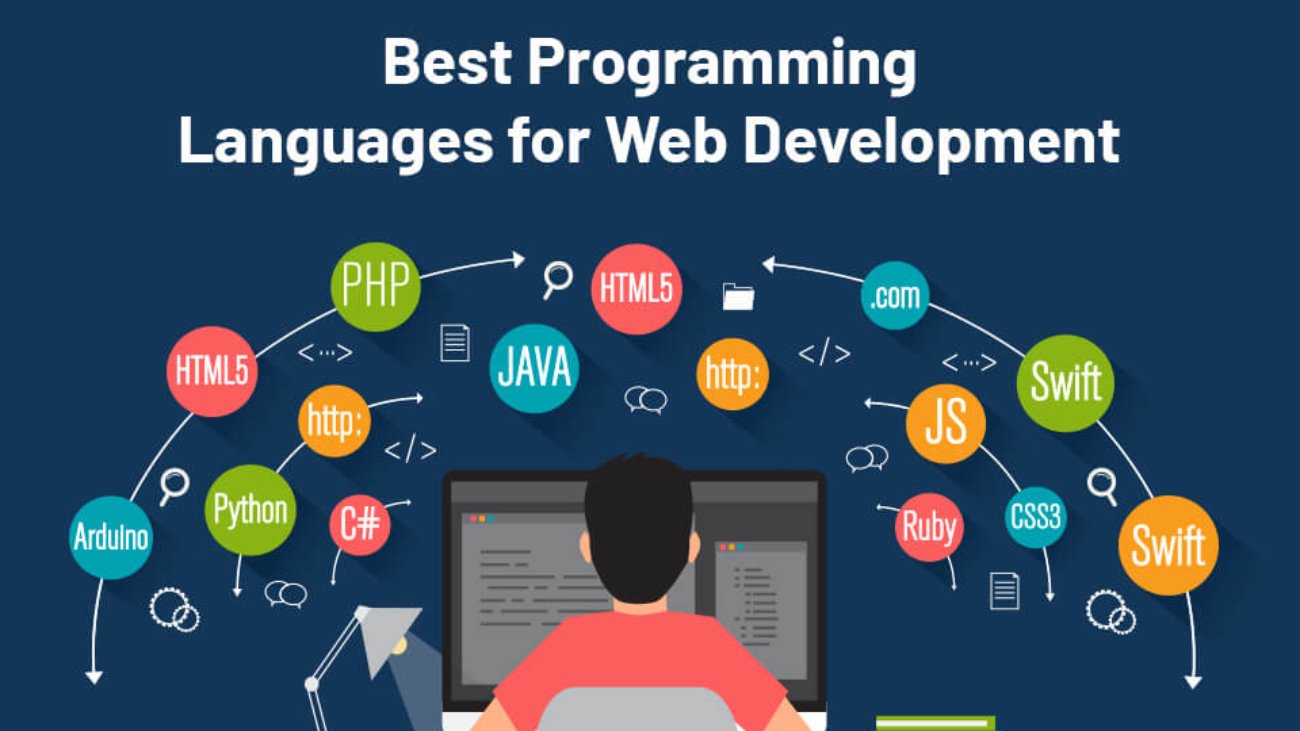
Web development is one of the fastest-growing fields in the digital world. Whether you’re planning to build a business website, e-commerce store, or a full-stack application, choosing the right programming language is a key step. Each programming language comes with its own pros, cons, and best use cases.

Here’s a detailed look at the Top 5 Programming Languages for Web Development in 2025:


1. JavaScript

  • JavaScript is the backbone of modern web development.
  • It is widely used for front-end development and, with Node.js, also for back-end development.
  • Popular frameworks like React, Angular, and Vue.js are built on JavaScript.

βœ… Pros:

  • Runs directly in the browser (no installation needed).
  • Huge community support and regular updates.
  • Wide range of frameworks and libraries for faster development.
  • Can be used for both front-end and back-end (full-stack) development.
  • High demand in the job market.

❌ Cons:

  • Can be difficult for beginners due to complex syntax.
  • Security issues if not handled properly.
  • Different browser compatibility issues may arise.

2. Python

  • Python is one of the easiest and most popular languages for beginners.
  • It is used in web development, AI, data science, and automation.
  • Frameworks like Django and Flask make web development faster and scalable.

βœ… Pros:

  • Simple and beginner-friendly syntax.
  • Powerful libraries for web apps, AI, and machine learning.
  • Strong community support and tutorials available.
  • Highly versatile (used beyond web development).
  • Great for startups and scalable projects.

❌ Cons:

  • Slower execution speed compared to languages like Java or C++.
  • Not the best choice for mobile app development.
  • Uses more server resources for large applications.

3. PHP

  • PHP has been a leading server-side language for more than two decades.
  • It powers websites like WordPress, Facebook, and Wikipedia.
  • Mostly used for backend development.

βœ… Pros:

  • Easy to learn and widely used.
  • Huge ecosystem of frameworks like Laravel, CodeIgniter, Symfony.
  • Affordable hosting options for PHP websites.
  • Works seamlessly with databases like MySQL.
  • Strong community and long-term stability.

❌ Cons:

  • Considered outdated by some developers compared to modern frameworks.
  • Not as fast as other languages like Node.js or Python.
  • Can become messy in large projects if not structured properly.

4. Java

  • Java is a robust and secure language used in enterprise-level web applications.
  • Known for its portability (Write Once, Run Anywhere).
  • Widely used for backend development with frameworks like Spring.

βœ… Pros:

  • Extremely reliable and stable.
  • Best for enterprise-level and large-scale applications.
  • Strong security features.
  • Supports multithreading for handling multiple tasks efficiently.
  • Huge developer community.

❌ Cons:

  • Steeper learning curve for beginners.
  • Slower compared to languages like JavaScript.
  • Requires more memory and resources.

5. Ruby (with Ruby on Rails)

  • Ruby is a dynamic, open-source language mostly used with the Ruby on Rails framework.
  • It’s known for building scalable and fast applications quickly.
  • Popular for startups and rapid prototyping.

βœ… Pros:

  • Developer-friendly and easy to write.
  • Excellent for quick application development.
  • Strong framework (Rails) with built-in tools.
  • Active community and open-source libraries (gems).
  • Good for MVP (Minimum Viable Product) development.

❌ Cons:

  • Slower runtime compared to languages like Java or C++.
  • Less popular today compared to JavaScript or Python.
  • Hosting and deployment can be expensive.

πŸ“Œ Final Thoughts

  • JavaScript is best for front-end and full-stack web development.
  • Python is great for beginners, AI-based projects, and scalable web apps.
  • PHP is still a strong option for WordPress and affordable websites.
  • Java is ideal for enterprise-level secure applications.
  • Ruby is perfect for startups and rapid app development.

Choosing the right programming language depends on your career goals, project requirements, and learning preferences. If you’re just starting, Python or JavaScript is the best choice. For enterprise-level jobs, Java and PHP remain powerful.


❓ Frequently Asked Questions (FAQs)

Q1. Which programming language is best for beginners in web development?

  • Python and JavaScript are the most beginner-friendly languages because of their simple syntax and high demand.

Q2. Is PHP still relevant in 2025 for web development?

  • Yes, PHP is still widely used, especially for WordPress, Laravel, and affordable website development.

Q3. Which programming language has the highest job demand?

  • JavaScript and Python are in the highest demand globally for both front-end and back-end roles.

Q4. Which is better: Java or Python for web development?

  • Java is best for enterprise-level secure applications, while Python is best for startups, AI integration, and scalability.

Q5. Can I become a full-stack developer with just one language?

  • With JavaScript, yes. Using Node.js for backend and React/Angular/Vue.js for frontend, you can become a full-stack developer.

Q6. Which programming language is best for freelancing?

  • JavaScript, PHP, and Python are the most in-demand for freelancing projects.
English skill

English Skills for Career Growth & Job Success | Guide

In today’s competitive world, English is more than just a language – it’s a professional skill. Whether you’re applying for jobs, working in a multinational company, or freelancing online, English plays a vital role in your career growth and job opportunities. Employers across the globe expect candidates to have good English communication skills because it improves workplace productivity, teamwork, and customer interactions.

Here are the key reasons why English is important for career success:


πŸ’Ό 1. English is the Global Business Language

  • English is widely used in international trade, business meetings, and corporate communication.
  • Multinational companies use English as their primary language.
  • Knowing English increases your chances of working abroad.
  • Business contracts, presentations, and official documents are often in English.

πŸ“ˆ 2. English Skills Boost Job Opportunities

  • Employers prefer candidates who can speak and write English fluently.
  • English opens doors to jobs in industries like IT, engineering, medicine, finance, and hospitality.
  • Freelancers with strong English skills get more projects on platforms like Upwork, Fiverr, and Freelancer.
  • Proficiency in English increases your chances of career growth and promotions.

🌍 3. English Helps You Work Internationally

  • English is the most common language in international offices.
  • Helps you collaborate with colleagues from different countries.
  • Makes it easier to work with global clients and customers.
  • Essential for jobs that require traveling abroad or working remotely.

πŸ“š 4. English Improves Access to Knowledge and Training

  • Most professional training programs and courses are conducted in English.
  • Research papers, job-related studies, and tutorials are published in English.
  • Learning English helps you attend workshops, webinars, and conferences globally.
  • Enhances your ability to understand and apply new technologies in your field.

πŸ“ž 5. English Improves Communication Skills at Work

  • Helps in email writing, presentations, and reports.
  • Improves confidence in meetings, interviews, and networking.
  • Reduces misunderstandings in workplace communication.
  • Makes you a better team player and leader.

🎯 6. English Builds Confidence in Job Interviews

  • Job interviews often include English speaking and writing tests.
  • Good English shows employers that you are professional and adaptable.
  • Increases your chances of selection in competitive fields.
  • Builds a positive impression on recruiters and HR managers.

πŸ’» 7. English is the Language of Technology & the Internet

  • Most programming languages and IT tools use English.
  • Tech companies expect employees to understand English documentation.
  • More than 55% of online content is in English.
  • Freelancers and remote workers need English to communicate with international clients.

🌐 8. English Expands Networking Opportunities

  • Helps you connect with professionals worldwide.
  • Expands your LinkedIn, business, and social media connections.
  • Creates opportunities for global collaborations and partnerships.
  • Builds a professional image in the international job market.

πŸ“Œ Final Thoughts

Learning English is no longer optional – it’s a career necessity. From job interviews to promotions, international projects to freelancing, English helps you stand out in the competitive job market. By improving your English communication skills, you increase your chances of landing better jobs, working with multinational companies, and achieving long-term career success.

If you want to grow professionally, start improving your English today – it’s an investment in your future.


❓ Frequently Asked Questions (FAQs)

Q1. How does English help in getting a job?

  • English makes you eligible for more job opportunities and helps you work with multinational companies and clients.

Q2. Is English necessary for freelancing?

  • Yes, most freelancing platforms require good English communication for dealing with international clients.

Q3. Can English skills help in career promotions?

  • Absolutely. Employees with good English are often promoted to leadership and managerial roles.

Q4. Why do employers value English skills?

  • English improves workplace communication, teamwork, and productivity, making employees more valuable to the company.

Q5. Which industries need English the most?

  • IT, finance, hospitality, healthcare, customer support, and education rely heavily on English communication.
AWS vs Azure vs Google Cloud

AWS vs Azure vs Google Cloud | Top Cloud Providers 2025

Cloud computing has become the backbone of modern businesses, helping companies scale faster, store data securely, and reduce IT costs. Among the many providers, the three leaders in cloud computing are:

  • Amazon Web Services (AWS)
  • Microsoft Azure
  • Google Cloud Platform (GCP)

Each of these cloud service providers offers unique features, pricing, and benefits. Choosing the right one depends on your business goals, budget, and technical needs.

Here’s a detailed comparison of AWS vs. Azure vs. Google Cloud:


☁️ 1. Amazon Web Services (AWS)

  • Launched in 2006, AWS is the largest cloud service provider in the world.
  • Offers a wide range of services including computing, storage, AI, machine learning, and IoT.
  • Trusted by big companies like Netflix, Airbnb, and Samsung.

βœ… Pros of AWS:

  • Market leader with the largest share.
  • Wide range of cloud services (over 200+).
  • Global presence with the highest number of data centers.
  • Highly reliable and secure infrastructure.
  • Strong support for startups and enterprise businesses.

❌ Cons of AWS:

  • Pricing can be complex and expensive for small businesses.
  • Steeper learning curve for beginners.
  • Some services may be overwhelming for non-technical users.

☁️ 2. Microsoft Azure

  • Launched in 2010, Azure is the second-largest cloud provider.
  • Strongly integrated with Microsoft products like Office 365, Windows, and Dynamics.
  • Used by businesses such as LinkedIn, eBay, and BMW.

βœ… Pros of Azure:

  • Best option for businesses already using Microsoft software.
  • Offers hybrid cloud solutions (on-premise + cloud).
  • Wide range of developer tools and integrations.
  • Flexible pricing with a pay-as-you-go model.
  • Strong presence in enterprise-level businesses.

❌ Cons of Azure:

  • Slightly less user-friendly compared to AWS.
  • Some services are limited outside enterprise use.
  • Pricing can be confusing with hidden costs.

☁️ 3. Google Cloud Platform (GCP)

  • Google Cloud is known for its AI, machine learning, and data analytics capabilities.
  • Popular among startups, app developers, and businesses focusing on innovation.
  • Trusted by companies like Spotify, Snapchat, and PayPal.

βœ… Pros of Google Cloud:

  • Best-in-class tools for AI and big data analytics.
  • Affordable pricing compared to AWS and Azure.
  • Strong integration with Google services like YouTube, Gmail, and Google Workspace.
  • Easy-to-use platform, beginner-friendly.
  • Excellent security and reliability.

❌ Cons of Google Cloud:

  • Smaller global market share compared to AWS and Azure.
  • Fewer enterprise clients.
  • Less variety in services compared to AWS.

πŸ“Š AWS vs. Azure vs. Google Cloud: Quick Comparison

FeatureAWS 🌐Microsoft Azure πŸ’»Google Cloud πŸš€
Launch Year200620102008
Market Share (2025)~32%~23%~11%
Best ForStartups + EnterprisesMicrosoft-based EnterprisesAI, ML, Startups
StrengthsLargest ecosystem, global reachHybrid solutions, MS integrationAI & Data Analytics
PricingComplex & expensiveFlexible but confusingCost-effective
ClientsNetflix, Airbnb, SamsungBMW, LinkedIn, eBaySpotify, Snapchat, PayPal

πŸ“Œ Final Thoughts

  • AWS is the best choice for companies looking for global reach, scalability, and variety of services.
  • Microsoft Azure is perfect for enterprises already using Microsoft software and those needing hybrid solutions.
  • Google Cloud is the top choice for AI, machine learning, startups, and cost-effective solutions.

In short:

  • Choose AWS if you want global infrastructure and advanced features.
  • Choose Azure if your business depends on Microsoft tools.
  • Choose Google Cloud if you need affordable, AI-driven, and beginner-friendly solutions.

❓ Frequently Asked Questions (FAQs)

Q1. Which cloud provider is the most popular?

  • Amazon Web Services (AWS) holds the largest market share globally.

Q2. Is Google Cloud cheaper than AWS and Azure?

  • Yes, in most cases Google Cloud offers more affordable pricing, especially for startups.

Q3. Which cloud provider is best for AI and machine learning?

  • Google Cloud Platform (GCP) is the leader in AI, ML, and data analytics.

Q4. Is Microsoft Azure better than AWS?

  • Azure is better for companies using Microsoft products, while AWS is better for businesses needing global scalability.

Q5. Can small businesses use cloud services?

  • Yes, cloud computing is highly beneficial for small businesses due to flexibility, scalability, and lower upfront costs.
Ai Skills

Top AI Courses to Boost Your Career Artificial Intelligence

Artificial Intelligence (AI) is one of the most transformative fields of our time. From self-driving cars to voice assistants, AI is reshaping industries and creating opportunities for professionals in almost every sector. As the demand for AI experts continues to rise, taking the right course to sharpen your skills can make all the difference in advancing your career. Whether you’re looking to break into AI or level up your current knowledge, there’s a course out there that’s perfect for you.

In this blog, we’ll cover the best AI courses available today, from beginner-friendly options to advanced certifications, to help you gain a solid understanding of artificial intelligence and boost your career prospects in 2025 and beyond.

1. AI For Everyone by Andrew Ng (Coursera)

Course Overview:
Offered by one of the most well-known figures in AI, Andrew Ng, this course is an excellent starting point for those who are new to artificial intelligence. It provides a non-technical introduction to AI, helping learners understand how AI works and how it can be used in various industries.

  • What You’ll Learn:
    • Basic principles of AI and machine learning
    • Applications of AI in real-world scenarios
    • The ethical implications of AI
    • How to integrate AI into business strategies
  • Why It’s Great for You:
    • Ideal for beginners with no prior technical experience
    • Taught by Andrew Ng, a leading expert in AI and co-founder of Coursera
    • Free to audit (with a paid certificate option)

SEO Keywords: AI for Everyone, Coursera AI course, Andrew Ng, AI for beginners, machine learning basics.


2. Artificial Intelligence A-Z: Learn How to Build an AI (Udemy)

Course Overview:
This hands-on course on Udemy takes you through the practical aspects of building AI systems. It covers everything from the basics to advanced topics like deep learning, reinforcement learning, and building AI applications using Python.

  • What You’ll Learn:
    • Basics of AI, machine learning, and deep learning
    • How to build AI models with Python
    • Implementing neural networks and convolutional neural networks (CNNs)
    • Reinforcement learning and self-learning AI agents
  • Why It’s Great for You:
    • Extensive hands-on projects to apply your learning
    • Practical insights into building AI systems from scratch
    • Lifetime access to course materials and updates

SEO Keywords: Udemy AI course, artificial intelligence course, build AI with Python, deep learning, reinforcement learning.


3. Machine Learning by Stanford University (Coursera)

Course Overview:
Taught by Andrew Ng (again!), this is one of the most popular and comprehensive machine learning courses available. It’s ideal for those who want to dive deeper into machine learning, a core subset of AI. You’ll learn about algorithms, data processing, supervised learning, unsupervised learning, and more.

  • What You’ll Learn:
    • Supervised and unsupervised learning techniques
    • Linear regression, logistic regression, and decision trees
    • Neural networks and deep learning
    • Support vector machines and clustering techniques
  • Why It’s Great for You:
    • A foundational course in machine learning, perfect for aspiring AI professionals
    • Practical experience with real-world datasets
    • Free to audit, with an optional certificate

SEO Keywords: machine learning course, Coursera AI, supervised learning, Andrew Ng, machine learning algorithms.


4. Deep Learning Specialization (Coursera)

Course Overview:
Also taught by Andrew Ng and offered through Coursera, the Deep Learning Specialization focuses on deep learning techniques, including neural networks and advanced architectures like convolutional neural networks (CNNs) and recurrent neural networks (RNNs). This course is designed for those who already have a basic understanding of machine learning.

  • What You’ll Learn:
    • Neural networks, CNNs, and RNNs
    • How to train deep learning models
    • Advanced deep learning concepts and techniques
    • Natural language processing (NLP) and AI for vision
  • Why It’s Great for You:
    • Advanced course ideal for learners with a basic understanding of machine learning
    • Focus on deep learning, one of the most in-demand skills in AI
    • Hands-on projects using Python and TensorFlow

SEO Keywords: deep learning course, Coursera deep learning, neural networks, deep learning specialization, AI for vision.


5. AI Programming with Python (Udacity)

Course Overview:
If you’re interested in learning how to program AI systems, this Udacity course is for you. It teaches the fundamentals of AI programming using Python, one of the most widely-used languages in the AI space. You’ll cover key concepts such as machine learning algorithms, neural networks, and more.

  • What You’ll Learn:
    • Python programming for AI
    • Building neural networks from scratch
    • Deep learning, natural language processing (NLP), and reinforcement learning
    • Implementing AI techniques using TensorFlow
  • Why It’s Great for You:
    • Hands-on coding experience with AI algorithms
    • Real-world projects to build your portfolio
    • Flexible, self-paced learning

SEO Keywords: AI programming with Python, Udacity AI course, Python for AI, deep learning, natural language processing.


6. Data Science and Machine Learning Bootcamp with R (Udemy)

Course Overview:
This course is perfect for those who want to explore data science and machine learning using R programming language. It covers a range of techniques including machine learning algorithms, data visualization, and predictive analytics, making it an excellent choice for aspiring AI and data science professionals.

  • What You’ll Learn:
    • R programming for data analysis
    • Data visualization techniques using ggplot2
    • Supervised and unsupervised learning algorithms
    • Building machine learning models with R
  • Why It’s Great for You:
    • Ideal for those with a strong interest in data science and machine learning
    • Covers both theoretical concepts and practical implementation
    • Affordable course with lifetime access

SEO Keywords: R programming course, machine learning with R, data science bootcamp, predictive analytics, machine learning algorithms.


7. AI and Machine Learning for Business (LinkedIn Learning)

Course Overview:
This course is ideal for professionals who want to understand how to apply AI and machine learning to solve business problems. It covers the essential tools and techniques of AI, with a strong focus on practical applications in the business world.

  • What You’ll Learn:
    • Key AI concepts and techniques
    • Machine learning models for business use cases
    • How to integrate AI into business processes
    • Evaluating and interpreting machine learning models for decision-making
  • Why It’s Great for You:
    • Focus on business applications of AI and machine learning
    • Short, concise course designed for professionals with busy schedules
    • Certificate of completion from LinkedIn Learning, adding credibility to your profile

SEO Keywords: AI for business, LinkedIn Learning AI course, machine learning for business, AI applications, business intelligence.


8. AI in Healthcare Specialization (Coursera)

Course Overview:
For those interested in AI’s potential in the healthcare industry, this specialization covers the applications of AI in healthcare, including diagnostics, personalized medicine, and medical data analysis.

  • What You’ll Learn:
    • Introduction to AI in healthcare
    • Machine learning for medical applications
    • Building AI models to predict patient outcomes
    • Ethical considerations in healthcare AI
  • Why It’s Great for You:
    • Focus on a specific industry with massive AI potential
    • Taught by healthcare and AI experts
    • Ideal for healthcare professionals looking to integrate AI into their practice
IELTS Course in Karachi Nazimabad

Complete Guide to IELTS Exam Preparation and Tips

What is the IELTS Exam? A Comprehensive Guide for Beginners

If you’re looking to study abroad, migrate to an English-speaking country, or work internationally, the IELTS exam is likely something you’ll need to prepare for. But what exactly is the IELTS exam, and why is it one of the most popular English language proficiency tests worldwide? This comprehensive guide breaks down everything you need to know about IELTS, helping you navigate the exam with confidence.

What is the IELTS Exam?

The International English Language Testing System (IELTS) is a globally recognized test designed to evaluate the English language proficiency of non-native speakers. It’s used by universities, employers, and governments in English-speaking countries like the UK, Canada, Australia, and the US. IELTS assesses four core language skills: listening, reading, writing, and speaking, and provides a score that reflects your ability to communicate effectively in English.

There are two primary versions of the test:

  • IELTS Academic: This test is for individuals who want to study at a university or institution in an English-speaking country. It’s designed to assess whether you are ready for academic study.
  • IELTS General Training: This version is more focused on practical, everyday language skills. It is typically used for those applying for visas, work experience, or migration.

Why is IELTS Important?

IELTS is required by many institutions and organizations worldwide for various purposes. Here are some of the key reasons why taking the IELTS exam is important:

  • University Admissions: Many universities and colleges require IELTS scores as part of the admission process to prove that you have the necessary language skills for academic success.
  • Immigration and Visas: Countries such as Canada, Australia, New Zealand, and the UK often require IELTS scores for immigration or work visa applications.
  • Employment Opportunities: Employers in English-speaking countries may require IELTS scores to assess your ability to communicate in English, which is crucial for many professional environments.
  • International Recognition: IELTS is accepted by more than 10,000 organizations in over 140 countries, making it one of the most trusted language tests worldwide.

The IELTS Test Format

The IELTS exam consists of four distinct sections that assess different language skills. Here’s a closer look at each section:

1. Listening (30 Minutes)

The Listening section consists of four recorded audio tracks, ranging from conversations between two people to more formal discussions like lectures. The listening test is divided into the following parts:

  • Part 1: A conversation between two people in an everyday context (e.g., booking a hotel room).
  • Part 2: A monologue (one person speaking) in a social setting (e.g., a speech about local facilities).
  • Part 3: A conversation between up to four people in an academic or training context (e.g., a group discussion about a university project).
  • Part 4: A monologue in an academic or professional context (e.g., a lecture on a specialized subject).

You will be asked to answer questions based on these recordings, testing your ability to identify main ideas, specific details, and implied meaning.

2. Reading (60 Minutes)

The Reading section is different for the Academic and General Training versions of the test.

  • IELTS Academic Reading: You will have three long passages from books, journals, or newspapers. These passages are related to academic subjects and may include graphs, diagrams, or tables that require interpretation.
  • IELTS General Training Reading: This version includes three sections of reading materials, such as advertisements, job descriptions, and short extracts from books or newspapers.

In both cases, you will need to answer 40 questions that test your ability to understand and interpret the text. The questions may include multiple-choice, matching headings, and true/false/not given formats.

3. Writing (60 Minutes)

The Writing section is also divided into two tasks:

  • Task 1 (Academic): You will be presented with a visual representation of information (e.g., a graph, chart, table, or diagram) and asked to describe the data, trends, or processes.
  • Task 1 (General Training): You will be asked to write a letter based on a given situation (e.g., writing to a friend or company about a complaint or request).
  • Task 2 (Both Versions): You will write an essay in response to a question or statement. This task requires you to present an argument, discuss a problem, or provide a solution in a clear and organized manner.

In both tasks, you will be evaluated on your ability to present your ideas clearly, use appropriate grammar and vocabulary, and stay on topic.

4. Speaking (11-14 Minutes)

The Speaking section of the IELTS exam is a one-on-one interview with an examiner. It is designed to test your ability to communicate in everyday situations. The speaking test consists of three parts:

  • Part 1: The examiner will introduce themselves and ask you questions about familiar topics like your hometown, family, or hobbies.
  • Part 2: You will be given a task card with a topic and will have 1 minute to prepare before speaking for up to 2 minutes on the topic.
  • Part 3: The examiner will ask you more in-depth questions related to the topic in Part 2, giving you the opportunity to discuss more complex ideas.

You will be scored on your fluency, vocabulary, grammatical accuracy, and pronunciation.

IELTS Scoring System

Your IELTS score is reported as a band score ranging from Band 0 (no attempt) to Band 9 (expert user). The average of your scores across all four sections will give you an overall band score. Each section (Listening, Reading, Writing, Speaking) is scored individually, and these scores are averaged to determine your overall result.

Here’s what the band scores generally mean:

  • Band 9: Expert user – you have full operational command of the language with no errors.
  • Band 8: Very good user – you have a high level of fluency with only occasional mistakes.
  • Band 7: Good user – you can handle complex language well but may make occasional errors.
  • Band 6: Competent user – you have effective command of the language, despite some mistakes.
  • Band 5: Modest user – you have a partial command of English, but you’re still prone to frequent errors.
  • Band 4: Limited user – you can understand basic concepts but have significant communication limitations.
  • Band 3 or below: Extremely limited or no understanding of English.

How to Prepare for the IELTS Exam

Preparation is key to performing well on the IELTS exam. Here are some detailed tips to guide your study plan:

  • Understand the Test Format: The first step is familiarizing yourself with the test format. Knowing the number and types of questions in each section will help reduce anxiety and improve your time management.
  • Practice Regularly: Daily practice will help you build your skills in each of the four sections. You can find free practice tests and exercises online that simulate real test conditions.
  • Improve Your Listening: Listen to English podcasts, watch English TV shows, and engage in conversations with native speakers. Pay attention to different accents, as the listening section may feature a range of English accents.
  • Expand Your Vocabulary: Regularly learn new words and phrases, especially those commonly used in academic writing or everyday conversation. A strong vocabulary will improve both your writing and speaking.
  • Use IELTS Preparation Materials: Invest in quality IELTS preparation books or online courses that offer expert guidance, sample questions, and feedback on your performance.
  • Take Mock Exams: Full-length practice tests under timed conditions can help you identify your strengths and areas for improvement. Focus on improving your weak areas while maintaining your strengths.

Final Thoughts

Taking the IELTS exam is a big step toward achieving your international goals, whether that’s studying at a prestigious university, migrating for work, or expanding your career opportunities. By understanding the test format, putting in consistent practice, and staying calm during the exam, you’ll be able to showcase your English skills to the world with confidence.

Digital marketing

Top Digital Marketing Courses to Boost Your Career in 2025

In today’s fast-paced digital world, staying ahead of the curve is essential, especially when it comes to marketing. Digital marketingcourses has become one of the most powerful ways for businesses to connect with their audience, increase brand awareness, and drive sales. As we head into 2025, the demand for digital marketing professionals continues to rise, and now is the perfect time to upskill or pivot your career in this field. Whether you’re a beginner or a seasoned marketer, there’s a digital marketing course that can help you take your career to the next level.

In this blog, we’ll explore the top digital marketing courses that will boost your career in 2025. From comprehensive programs that cover the entire digital landscape to specialized courses in areas like SEO, social media, and email marketing, these courses will equip you with the skills you need to succeed in today’s competitive market.

1. Google Digital Garage: Fundamentals of Digital Marketing

Course Overview:
Google’s Digital Garage is a well-known platform offering a free, beginner-friendly course that covers the fundamentals of digital marketing. This course is designed by Google and is an excellent starting point for those new to the field. With over 40 hours of video content, you’ll gain a solid understanding of SEO, SEM, social media, email marketing, and more.

  • What You’ll Learn:
    • Introduction to digital marketing
    • Search engine optimization (SEO)
    • Pay-per-click advertising (PPC)
    • Social media strategy
    • Email marketing basics
    • Web analytics
  • Why It’s Great for You:
    • It’s free and accessible to anyone
    • Google certification upon completion, which adds credibility to your resume
    • Great for beginners and those looking for a comprehensive overview

SEO Keywords: Google Digital Garage, free digital marketing course, SEO, SEM, social media marketing, beginner digital marketing course.

2. HubSpot Academy: Inbound Marketing Certification

Course Overview:
HubSpot is one of the leading platforms for inbound marketing, and their free inbound marketing certification is perfect for those who want to master content marketing, lead generation, and nurturing. This course dives deep into the concepts of attracting, engaging, and delighting customers using inbound marketing tactics.

  • What You’ll Learn:
    • Content creation and strategy
    • Social media marketing for inbound campaigns
    • SEO and keyword strategy
    • Lead nurturing through email marketing
    • Conversion optimization and analytics
  • Why It’s Great for You:
    • Free certification from a trusted marketing platform
    • In-depth content that focuses on strategy, not just tools
    • Excellent for marketers looking to specialize in inbound marketing

SEO Keywords: HubSpot inbound marketing, HubSpot certification, content marketing, SEO, email marketing, lead generation.

3. Coursera: Digital Marketing Specialization by the University of Illinois

Course Overview:
If you’re looking for a more comprehensive and in-depth learning experience, the Digital Marketing Specialization on Coursera by the University of Illinois is a fantastic choice. It covers everything from digital marketing analytics to social media and mobile marketing. This program is ideal for those who want to learn how to apply digital marketing strategies in real-world scenarios.

  • What You’ll Learn:
    • Digital marketing analytics and data interpretation
    • Social media marketing and advertising
    • Mobile marketing strategies
    • Developing digital marketing strategies
    • Marketing in a digital world and customer behavior analysis
  • Why It’s Great for You:
    • University-backed certification recognized in the industry
    • Offers advanced knowledge for both beginners and intermediate learners
    • Hands-on experience through assignments and projects

SEO Keywords: Coursera digital marketing, University of Illinois marketing course, digital marketing certification, social media marketing, mobile marketing strategies.

4. SEMrush Academy: SEO & Content Marketing Courses

Course Overview:
For those specifically interested in SEO, SEMrush Academy offers a range of free courses focused on SEO and content marketing. SEMrush is a leading tool in the SEO space, and their academy provides both beginner and advanced-level courses designed to help you master SEO and improve your content marketing skills.

  • What You’ll Learn:
    • Keyword research and on-page SEO
    • Content marketing strategies and content creation
    • Link building and off-page SEO
    • SEO analytics and tools
    • Content optimization and audience targeting
  • Why It’s Great for You:
    • Free access to high-quality, tool-specific training
    • Focuses on practical, actionable SEO strategies
    • Ideal for marketers or businesses looking to improve their organic search traffic

SEO Keywords: SEMrush Academy, SEO course, content marketing course, keyword research, link building, on-page SEO.

5. LinkedIn Learning: Social Media Marketing Specialization

Course Overview:
LinkedIn Learning offers an excellent series of courses on social media marketing, ideal for marketers looking to specialize in this growing field. The courses cover everything from building a social media strategy to using paid ads on platforms like Facebook, Instagram, and LinkedIn.

  • What You’ll Learn:
    • Social media strategy and planning
    • Facebook, Instagram, and LinkedIn advertising
    • Social media content creation and community management
    • Social media analytics and tracking performance
  • Why It’s Great for You:
    • High-quality courses from industry experts
    • Focused specifically on social media platforms and strategies
    • Subscription to LinkedIn Learning gives access to other marketing courses

SEO Keywords: LinkedIn Learning social media course, social media marketing, Facebook ads, Instagram advertising, LinkedIn marketing, social media strategy.

6. DigitalMarketer: Certified Digital Marketing Professional (CDMP)

Course Overview:
DigitalMarketer offers a Certified Digital Marketing Professional (CDMP) certification that covers all aspects of digital marketing, including strategy, content marketing, paid ads, SEO, and email marketing. This is an advanced course suitable for those who have some experience in the field and want to deepen their knowledge.

  • What You’ll Learn:
    • Digital marketing strategy development
    • Paid advertising on Google and Facebook
    • Advanced SEO tactics
    • Email marketing and automation
    • Marketing funnels and lead nurturing
  • Why It’s Great for You:
    • Industry-recognized certification
    • Advanced content suitable for professionals looking to specialize
    • Access to exclusive resources and a digital marketing community

SEO Keywords: DigitalMarketer certification, digital marketing strategy, paid advertising, email marketing, advanced SEO, CDMP certification.

7. Udemy: The Complete Digital Marketing Course – 12 Courses in 1

Course Overview:
Udemy offers an all-in-one digital marketing course, covering everything from SEO and social media to email marketing and digital ads. This course is designed for beginners and intermediate learners, with over 20 hours of video content and real-world examples.

  • What You’ll Learn:
    • SEO and search engine marketing (SEM)
    • Social media advertising
    • Email marketing campaigns
    • Affiliate marketing
    • Digital marketing analytics
  • Why It’s Great for You:
    • Affordable and provides lifetime access to course materials
    • Comprehensive coverage of all key digital marketing channels
    • Great for those who want a bit of everything
CIT Computer Short Course Institute in Karachi

Different Types of IT Courses: Which One is Right for You?

In today’s fast-paced digital world, the demand for skilled IT courses professionals has never been higher. Whether you’re looking to change careers, upgrade your skills, or break into the tech industry, taking an IT course can be the first step toward achieving your goals. But with so many options out there, it can be overwhelming to choose the right IT course for you.

In this guide, we’ll walk you through the different types of IT courses available and help you figure out which one is best suited to your career ambitions. Whether you’re interested in coding, networking, or cybersecurity, there’s an IT course that fits your needs. Let’s dive in!

1. Computer Science and Programming Courses

If you’re drawn to problem-solving and logical thinking, computer science and programming courses are a great place to start. These courses focus on teaching you how to write code, develop software, and understand the principles behind how computers work.

  • What You’ll Learn:
    • Programming languages (Python, Java, C++, etc.)
    • Software development and application design
    • Data structures and algorithms
    • Object-oriented programming (OOP)
  • Ideal for:
    • Aspiring software developers
    • Game developers
    • App developers
    • Anyone interested in creating the next big tech product

Why Choose It? If you enjoy building things from scratch and working on complex technical problems, a computer science course will give you the foundation you need to become a successful programmer.

2. Networking and Network Administration Courses

Every organization relies on a stable and secure network to function. If you’re tech-savvy and enjoy troubleshooting, networking might be the perfect IT specialization for you. Networking courses teach you how to manage and secure computer networks, both for local and remote access.

  • What You’ll Learn:
    • Setting up local area networks (LAN) and wide area networks (WAN)
    • Network protocols (TCP/IP, DNS, DHCP)
    • Wireless networks and VPNs
    • Troubleshooting network issues
  • Ideal for:
    • Network administrators
    • IT support specialists
    • Anyone looking to work with hardware and software that connects devices and systems

Why Choose It? If you like working with hardware and have an interest in ensuring systems run smoothly, networking courses will equip you with the knowledge to maintain and secure networks in any organization.

3. Cybersecurity Courses

In an increasingly digital world, cybersecurity is one of the most critical fields in IT. Cybersecurity professionals protect networks, systems, and data from malicious attacks. If you enjoy problem-solving and have an interest in keeping sensitive information safe, a cybersecurity course may be your ideal choice.

  • What You’ll Learn:
    • Ethical hacking and penetration testing
    • Security protocols and encryption
    • Incident response and disaster recovery
    • Identifying vulnerabilities in systems and networks
  • Ideal for:
    • Security analysts
    • Ethical hackers
    • Cybersecurity consultants
    • Professionals looking to protect businesses from cyber threats

Why Choose It? Cybersecurity professionals are in high demand across various industries, and the need for skilled experts continues to grow. If you’re passionate about technology and want to make a difference in protecting data, this course will prepare you for an exciting and rewarding career.

4. Database Management and Data Analytics Courses

Data is the lifeblood of any organization, and managing it properly is crucial. Database management courses teach you how to design, implement, and maintain databases. If you’re analytical and detail-oriented, data analytics courses can help you turn raw data into valuable insights.

  • What You’ll Learn:
    • Database design and management (SQL, NoSQL)
    • Data modeling and database normalization
    • Big data analysis and visualization tools (Tableau, Power BI)
    • Data mining and predictive analytics
  • Ideal For:
    • Data analysts
    • Database administrators
    • Business intelligence analysts
    • Anyone interested in working with data to drive business decisions

Why Choose It? As organizations increasingly rely on data to make strategic decisions, professionals who can manage, analyze, and interpret data are in high demand. If you love working with numbers and uncovering trends, a database management or data analytics course could be a great fit.

5. Web Development Courses

Web development is one of the most popular fields in IT. As businesses move online, the demand for web developers continues to rise. Web development courses teach you how to build websites and web applications, focusing on both front-end and back-end development.

  • What You’ll Learn:
    • Front-end technologies (HTML, CSS, JavaScript)
    • Back-end frameworks (Node.js, Django, Ruby on Rails)
    • Full-stack development (combining front-end and back-end skills)
    • Responsive design and web accessibility
  • Ideal For:
    • Web developers
    • Front-end or back-end specialists
    • Anyone interested in building websites or web applications

Why Choose It? Web development is an exciting and fast-evolving field. If you enjoy creating interactive websites or web apps, this course will provide you with the tools to work on real-world projects and help businesses build their online presence.

6. Cloud Computing Courses

Cloud computing has revolutionized how businesses store and manage data. Cloud computing courses teach you how to use cloud platforms like Amazon Web Services (AWS), Microsoft Azure, and Google Cloud to store, process, and access data remotely.

  • What You’ll Learn:
    • Cloud infrastructure management
    • Cloud storage and computing services
    • Cloud security and compliance
    • Deploying cloud applications and services
  • Ideal For:
    • Cloud engineers
    • DevOps professionals
    • IT infrastructure specialists

Why Choose It? Cloud computing continues to grow in popularity due to its cost-effectiveness and scalability. If you want to specialize in the cloud, this course will give you the skills to design and manage cloud-based solutions for businesses.

7. IT Support and Help Desk Courses

IT support professionals are the backbone of any organization’s technical operations. They assist users with troubleshooting hardware, software, and network problems. Help desk support courses teach you how to provide assistance and solve technical issues efficiently.

  • What You’ll Learn:
    • Customer service and troubleshooting skills
    • Operating systems (Windows, Mac OS, Linux)
    • Remote support tools and ticketing systems
    • Hardware diagnostics and repair
  • Ideal For:
    • IT support specialists
    • Help desk technicians
    • Anyone interested in solving technology problems for others

Why Choose It? If you enjoy problem-solving and working with people, IT support is a great entry-level position into the tech industry. This course will prepare you to provide technical assistance in a variety of settings.

How to Choose the Right IT Course for You?

With so many options available, it can be hard to choose the right IT course. Here are some tips to help guide your decision:

  • Assess Your Interests: What aspect of technology excites you the most? Do you enjoy coding, working with networks, or solving security problems? Your interests will guide you toward the best course.
  • Consider Career Goals: Think about where you want your career to go. Do you want to work in software development, cybersecurity, or data analysis? Select a course that aligns with your aspirations.
  • Skill Level: If you’re new to IT, consider starting with beginner courses. If you already have some experience, look for intermediate or advanced options to deepen your expertise.
  • Certifications: Many IT courses offer industry-recognized certifications, which can help boost your resume and improve job prospects.
top 9 graphic design skills

Top 9 Graphic Design Skills to Become an Expert

Top 9 Graphic Design Skills is more than just creating visually appealing artwork; it’s a craft that combines creativity, technology, and communication. As a rapidly evolving field, designers must continually refine their skills to stay competitive and meet the demands of today’s digital landscape. For students and aspiring professionals, mastering key graphic design skills can open doors to a successful career in branding, digital media, advertising, and more. Here are the top skills every designer should focus on to reach expert level.

1. Mastering Design Software

Proficiency in design software is foundational for any graphic designer. Each program offers unique tools, and knowing how to use them efficiently is essential for producing professional-quality work.

  • Must-Know Programs:
    • Adobe Photoshop: Essential for photo editing, image manipulation, and creating digital artwork.
    • Adobe Illustrator: Key for vector design, which is crucial for logos, icons, and illustrations.
    • Adobe InDesign: Useful for layout design, particularly for printed materials like brochures and magazines.
    • Figma and Sketch: Important for UI/UX design and collaborative projects.
  • Why It’s Important:
    • Mastering these tools enables designers to bring their ideas to life with precision and quality.
    • Most professional design jobs require proficiency in these programs, making them essential for job readiness.

2. Understanding of Typography

Typography is the art of arranging type to make written language legible, readable, and visually appealing. Skilled use of typography helps convey brand identity, tone, and message effectively.

  • Key Typography Concepts:
    • Font Selection: Choosing fonts that reflect the brand’s personality and purpose.
    • Hierarchy: Creating a visual order to guide the viewer’s attention.
    • Alignment and Spacing: Ensuring readability and aesthetic balance.
    • Pairing Fonts: Combining fonts harmoniously to add interest and clarity.
  • Why It’s Important:
    • Typography is central to branding and content legibility, influencing how audiences perceive and interpret information.
    • A good grasp of typography sets apart amateur designs from polished, professional ones.

3. Color Theory and Color Psychology

Color is a powerful element in design that affects emotions, perceptions, and brand recognition. Knowledge of color theory and psychology helps designers use color effectively to enhance communication and aesthetics.

  • Key Concepts:
    • Color Wheel and Relationships: Understanding primary, secondary, and tertiary colors, as well as complementary and analogous color schemes.
    • Color Psychology: Recognizing how colors evoke specific emotions (e.g., blue for trust, red for urgency).
    • Brand Consistency: Using colors consistently to establish brand identity.
  • Why It’s Important:
    • Colors impact viewers’ emotions and responses, making it essential for designers to understand their effect on target audiences.
    • Designers who master color theory can create visually cohesive and impactful designs.

4. Composition and Layout

Good design isn’t just about individual elements but how they come together. Composition and layout determine how content is arranged, guiding the viewer’s eye and creating a harmonious visual experience.

  • Key Composition Techniques:
    • Grid Systems: Using grids to structure layouts for balance and consistency.
    • White Space: Strategic use of empty space to improve readability and focus.
    • Visual Hierarchy: Placing elements by importance to guide the viewer’s attention.
    • Rule of Thirds: Dividing designs into thirds for aesthetically pleasing balance.
  • Why It’s Important:
    • Effective composition ensures designs are organized, appealing, and easy to navigate.
    • Mastery of layout and composition is essential for any designer working on websites, ads, magazines, and more.

5. UX/UI Design Basics

While graphic designers don’t need to be full-fledged UX/UI designers, having a foundational understanding of user experience (UX) and user interface (UI) design is increasingly valuable, especially in digital design.

  • Key UX/UI Skills:
    • User-Centered Design: Creating designs with the user’s needs and preferences in mind.
    • Wireframing and Prototyping: Outlining basic layouts to ensure functionality before adding visual elements.
    • Responsive Design: Ensuring designs look good on various screen sizes and devices.
  • Why It’s Important:
    • UX/UI design knowledge helps designers create functional, user-friendly interfaces that improve customer satisfaction.
    • As more brands focus on digital experiences, demand is high for designers who understand both aesthetic and functional aspects of design.

6. Creativity and Innovation

Creativity is at the heart of graphic design, allowing designers to come up with unique and impactful ideas. However, innovation is equally important, pushing designers to think outside the box and experiment with new styles and approaches.

  • Ways to Boost Creativity:
    • Inspiration Sources: Follow design trends, study other designers’ work, and gather inspiration from various sources.
    • Experimentation: Don’t hesitate to try new tools, techniques, or styles.
    • Brainstorming and Mind Mapping: Develop creative ideas and concepts through structured brainstorming.
  • Why It’s Important:
    • Creativity is what distinguishes a designer’s work, helping brands stand out in crowded markets.
    • Innovative thinking drives professional growth, keeping a designer’s skills relevant and fresh.

7. Branding and Visual Identity

Branding involves creating a consistent, recognizable image for a business. A strong understanding of branding principles helps designers create cohesive visuals that communicate a brand’s personality and values.

  • Key Branding Elements:
    • Logo Design: Creating memorable logos that represent the brand.
    • Color Palette and Typography: Consistent use of color and fonts across all materials.
    • Brand Guidelines: Setting standards for how the brand is represented visually.
  • Why It’s Important:
    • Branding expertise allows designers to build trust and recognition for businesses.
    • Designers with branding skills are valuable assets to companies looking to create or refresh their identity.

8. Communication Skills

Graphic design is about more than just creating visuals; it’s about conveying a message clearly and effectively. Strong communication skills are necessary for understanding client needs, presenting ideas, and collaborating with teams.

  • Key Communication Skills:
    • Client Communication: Understanding and translating client feedback into design solutions.
    • Visual Storytelling: Creating designs that communicate messages powerfully and succinctly.
    • Collaboration: Working well with other departments, such as marketing and product teams, to align on project goals.
  • Why It’s Important:
    • Clear communication improves project outcomes and ensures designs meet client expectations.
    • Effective storytelling in design helps connect with audiences on an emotional level, enhancing brand impact.

9. Attention to Detail

Design often comes down to the smallest details that make a significant difference. Attention to detail is essential for producing polished work, spotting inconsistencies, and creating flawless designs.

  • Key Aspects of Detail-Oriented Design:
    • Consistency: Ensuring fonts, colors, and spacing remain uniform across all elements.
    • Alignment and Precision: Checking that every element is aligned and balanced.
    • Final Review: Double-checking work for any errors or imperfections before delivery.
  • Why It’s Important:
    • Small details contribute to the professionalism and quality of a design.
    • Clients appreciate designers who take the time to perfect every aspect of a project.