7 Digital Marketing Revolutions to Watch in 2026

7 Digital Marketing Revolutions to Watch in 2026

The digital marketing landscape is evolving at record speed, driven by rapid advancements in AI, automation, and immersive technologies. By 2026, businesses will witness revolutionary changes that redefine how brands attract, engage, and convert customers. Here are the top 7 digital marketing revolutions expected in 2026 that every marketer must prepare for.


1. AI-Driven Content Creation Takes Over

Artificial intelligence will become the central engine for content generation.
What will change:

  • Real-time content personalization
  • Automated blogs, ads & product descriptions
  • Faster campaign execution with minimal human effort

2. Zero-Click Search Dominance

Google and search engines will provide more answers directly on the results page.
Impact:

  • Brands must adapt to zero-click SEO
  • Increased focus on featured snippets
  • More importance on authoritative content

3. Rise of Immersive AR & VR Marketing

Interactive advertising will move beyond basic visuals.
Revolutionary features:

  • Virtual product testing
  • 3D shopping environments
  • VR brand experiences & virtual showrooms

4. Hyper-Personalized Consumer Journeys

Marketing will no longer be one-size-fits-all.
Expect:

  • Predictive behavior targeting
  • Individualized offers and ads
  • Customer-specific marketing funnels

5. Creator-Led Brand Building

Creators will shape brand identities more than traditional agencies.
Why this is big:

  • Higher trust in creators than celebrities
  • Niche creator communities
  • Stronger ROI from micro-influencers

6. Shift to First-Party Data Control

Privacy laws and removal of cookies will force companies to gather data ethically.
Consequences:

  • Brands will rely on CRM data
  • Loyalty programs will grow
  • Transparent data usage becomes mandatory

7. Conversational Commerce with Advanced Chatbots

Chatbots will act like real salespeople with emotional intelligence.
New capabilities:

  • Human-like product recommendations
  • AI virtual shopping assistants
  • 24/7 automated customer engagement

Conclusion

The digital marketing world of 2026 will be AI-powered, immersive, creator-driven, and data-controlled. Businesses that adapt early will enjoy better visibility, stronger customer relationships, and a competitive edge.


FAQs

1. Which revolution will impact marketing the most in 2026?
AI-driven content and hyper-personalization are expected to be the biggest game-changers.

2. Will AR and VR become mainstream?
Yes, especially in ecommerce, real estate, fashion, and product-based industries.

3. How important is first-party data in 2026?
Crucial—brands must shift to privacy-friendly data strategies.

4. Are chatbots replacing human customer service?
Not completely, but advanced AI chatbots will handle most routine interactions.

5. Will influencers still matter in 2026?
Absolutely. Creator-led marketing will be stronger and more authentic than ever.

Start a Cloud Computing Career After Matric or Inter

Start a Cloud Computing Career After Matric or Inter

Learn how to start a cloud computing career after matric or intermediate. Explore courses, skills, and top opportunities for beginners in cloud tech. In today’s digital world, Cloud Computing is one of the most in-demand and fastest-growing IT fields. From small startups to global tech giants, every business now relies on cloud-based systems to store data, run software, and operate efficiently.

For students in Pakistan who have completed Matric or Intermediate, this field offers excellent career growth, high-paying jobs, and global work opportunities. The best part? You don’t need a university degree to start — just the right skills and certified training.

Let’s explore how you can build a successful career in Cloud Computing after Matric or Intermediate, step by step.


🎯 1. What is Cloud Computing?

  • Cloud Computing means using remote servers (the “cloud”) to store, manage, and process data — instead of local computers.
  • It allows businesses and individuals to access data and applications anytime, anywhere, via the internet.

Examples of Cloud Services:

  • Google Drive – for online storage
  • Microsoft OneDrive – for business data
  • Amazon Web Services (AWS) – for web hosting and software platforms
  • Zoom, Netflix, Canva – all run on cloud infrastructure

In simple words: Cloud computing is what makes the modern internet run smoothly!


📘 2. Why Choose Cloud Computing After Matric or Intermediate?

If you’re a student who just finished Matric (10th class) or Intermediate (12th class), Cloud Computing is a smart and future-proof choice. Here’s why:

  • 🌍 High Global Demand: Cloud computing professionals are needed worldwide — in the USA, UK, UAE, Canada, and beyond.
  • 💼 Career Opportunities: You can work as a Cloud Administrator, Cloud Engineer, or IT Support Specialist.
  • 🎓 No University Degree Required: Many companies hire certified professionals, even without a 4-year degree.
  • 💰 Attractive Salaries: Cloud experts earn much higher than average IT workers.
  • 🚀 Fast Career Growth: You can move from beginner to expert level within a few years.
  • 🧠 Continuous Learning: The field is dynamic and allows constant skill development.

🏫 3. Start with a Government-Certified Cloud Computing Course from Pak College

To begin your journey, it’s essential to learn the basics of cloud platforms, data management, and virtual networks.

Pak College offers a Government-Certified Cloud Computing Course designed specifically for Matric and Intermediate students.

Course Highlights:

  • Learn the fundamentals of cloud systems (AWS, Microsoft Azure, Google Cloud).
  • Get hands-on experience with real-world cloud projects.
  • Understand how cloud servers, storage, and data centers work.
  • Learn about cloud security, virtualization, and automation tools.
  • Receive a government-recognized certificate after completion.
  • Get job placement assistance and career counseling.

Course Duration:

  • 3 to 6 months (Flexible schedules available)

Course Outcome:

After completing this course, you’ll be ready for entry-level IT jobs or to pursue advanced cloud certifications from AWS, Microsoft, or Google.


🧠 4. Key Skills You’ll Learn in a Cloud Computing Course

  • Understanding Cloud Architecture and Components
  • Setting up Virtual Machines (VMs)
  • Managing Cloud Storage and Databases
  • Working with AWS, Azure, and Google Cloud platforms
  • Learning Data Backup, Security & Encryption
  • Configuring Networking and Cloud Firewalls
  • Using APIs and Automation Tools

These skills are not just theoretical — they are practical and job-ready, helping you earn and grow faster.


💼 5. Career Opportunities After Cloud Computing Course

After completing your course, you can apply for various job roles such as:

  • Cloud Support Associate
  • Cloud Administrator
  • IT Technician
  • Cloud Security Assistant
  • System Support Engineer
  • Cloud Network Assistant

With experience and advanced certifications, you can progress to:

  • Cloud Engineer
  • DevOps Specialist
  • Solutions Architect
  • Cloud Security Analyst

Note: These roles offer both local and international job opportunities — including remote work from Pakistan.


💻 6. Top Companies Hiring Cloud Computing Professionals

Some of the biggest names hiring in this field are:

  • Amazon Web Services (AWS)
  • Google Cloud Platform (GCP)
  • Microsoft Azure
  • IBM Cloud
  • Oracle Cloud
  • Dell Technologies
  • Cisco Systems
  • Local software houses and IT firms in Pakistan

Even small businesses now rely on cloud platforms — which means job demand is everywhere.


📈 7. Salary Potential in Cloud Computing

Here’s what you can expect as you grow in this field:

Experience LevelJob TitleAverage Monthly Salary (PKR)
BeginnerCloud Support / IT Assistant40,000 – 60,000
IntermediateCloud Engineer80,000 – 120,000
ExpertCloud Solutions Architect200,000+
International JobsCloud Specialist$3,000 – $6,000+

With the right skills and certifications, your income can increase rapidly — even faster than many traditional careers.


🎓 8. Steps to Start Your Cloud Computing Career After Matric or Intermediate

  1. Complete Matric or Intermediate (Pre-Engineering / Computer Science)
  2. Join a Cloud Computing Course at Pak College
  3. Learn Cloud Basics: AWS, Azure, Google Cloud
  4. Practice Projects & Build a Portfolio
  5. Get Certified by Government or Cloud Providers
  6. Apply for Entry-Level IT or Cloud Jobs
  7. Continue Learning Advanced Cloud Skills

🧩 9. Why Choose Pak College for Cloud Computing?

  • Government-Certified Training Program
  • Experienced Trainers and Practical Labs
  • Hands-on Cloud Tools (AWS, Azure, Google Cloud)
  • Job Assistance and Internship Support
  • Affordable Fee Structure
  • Open for Matric and Intermediate Students
  • Recognized Certification to Boost Your Resume

At Pak College, students don’t just learn — they start their IT careers confidently.


💬 10. Key Takeaways

  • Cloud computing is the future of IT and digital business.
  • You can start learning right after Matric or Intermediate.
  • With the right training and certification, you can get high-paying local and international jobs.
  • Pak College’s Cloud Computing Course offers everything you need — from practical training to job placement support.

FAQs (Frequently Asked Questions)

Q1. Can I join the Cloud Computing course after Matric?
👉 Yes! Pak College offers beginner-friendly cloud computing courses for students after Matric.

Q2. Do I need to know programming to start?
👉 No. Basic computer knowledge is enough. You’ll learn everything step by step.

Q3. What job can I get after completing the course?
👉 You can start as a Cloud Support Assistant, IT Technician, or Junior Cloud Engineer.

Q4. Is the course government certified?
👉 Yes, Pak College provides a Government-Certified Certificate upon completion.

Q5. Does Pak College offer job opportunities after the course?
👉 Yes! Students receive career guidance, internships, and job placement assistance after completing the course.

download

Common IELTS Myths You Must Stop Believing Today

Discover the truth behind common IELTS myths. Learn what really matters for your IELTS success and how to prepare the smart way for higher band scores. The IELTS (International English Language Testing System) is one of the most popular English proficiency exams in the world. Every year, thousands of students in Pakistan take the IELTS test to study, work, or migrate abroad common IELTS myths.

However, many misconceptions and common IELTS myths often confuse students and create unnecessary fear or misunderstanding about the exam. Let’s break these myths one by one and learn the truth about IELTS so you can prepare confidently and score better.


🎯 1. Myth: “IELTS is too difficult to pass.”

  • Truth: IELTS is not a “pass” or “fail” exam — it’s a band-based test that measures your English language ability.
  • You can achieve a good band score with proper preparation and regular practice.
  • The test only checks your real-life English communication skills, not advanced grammar or rare vocabulary.
  • Even candidates from non-English backgrounds can score Band 7 or higher with the right strategy.

🗣️ 2. Myth: “Native speakers always get Band 9.”

  • Truth: Even native English speakers can make mistakes and score less if they don’t follow IELTS test rules.
  • The IELTS test assesses task achievement, coherence, vocabulary, and pronunciation — not accent or birthplace.
  • Scoring Band 9 requires understanding how IELTS evaluates answers, not just speaking fluent English.
  • Many native speakers score Band 7.5 or 8, proving it’s about test technique, not nationality.

📖 3. Myth: “IELTS is only about memorizing vocabulary.”

  • Truth: Memorization doesn’t work in IELTS. The test is about using English naturally in context.
  • For example, in the speaking section, repeating memorized answers can lower your score.
  • Examiners prefer authentic, fluent, and meaningful communication over memorized sentences.
  • It’s better to practice daily speaking, reading, and writing to improve your vocabulary organically.

📝 4. Myth: “You must use complex words to score high.”

  • Truth: Using too many difficult or rare words can actually reduce your score.
  • IELTS examiners value clarity, accuracy, and fluency more than complexity.
  • Use a mix of simple and advanced vocabulary naturally.
  • For instance, instead of saying “utilize,” you can simply say “use” — both are correct.
  • Overusing complex words may sound forced or unnatural, which can hurt your coherence and fluency score.

🎧 5. Myth: “The Listening and Reading tests are the same for everyone.”

  • Truth: IELTS has two formatsAcademic and General Training.
  • The Listening section is the same in both, but the Reading section is different.
  • Academic Reading involves university-level topics, while General Training Reading uses daily life materials like advertisements and emails.
  • Choosing the correct format based on your purpose (study or migration) is essential.

💬 6. Myth: “You can predict questions if you watch enough YouTube videos.”

  • Truth: IELTS topics may repeat in theme (like education or environment), but exact questions never repeat.
  • The test is designed to assess your real-time thinking and language skills, not memory.
  • You can study sample tests and patterns, but you must be ready to handle unfamiliar topics.
  • Focus on improving your skills, not just searching for “IELTS repeated questions.”

🧠 7. Myth: “You can’t score well without expensive coaching.”

  • Truth: Many students achieve high band scores with self-study and free resources.
  • What matters is dedicated practice, mock tests, and feedback.
  • Coaching can help, but it’s not mandatory — especially if you have a good study plan.
  • You can also use official IELTS materials and online platforms to practice daily.
  • Pak College offers IELTS preparation courses designed to help Pakistani students practice effectively with government-certified trainers.

🏆 8. Myth: “IELTS examiners prefer certain accents.”

  • Truth: Examiners are trained to understand all global English accents — British, American, Australian, Pakistani, and others.
  • You don’t need to change your accent; you just need to speak clearly and confidently.
  • Focus on pronunciation, intonation, and fluency instead of copying another accent.
  • A natural and confident voice always makes a better impression.

⏰ 9. common IELTS myths: “You should write long essays to get high scores.”

  • Truth: The IELTS Writing Task has a word limit — 150 words (Task 1) and 250 words (Task 2).
  • Writing too much may waste time and lead to grammar mistakes.
  • Examiners prefer well-structured essays with clear arguments and examples.
  • Quality matters more than quantity — a concise, logical essay scores better than a long, repetitive one.

📚 10. common IELTS myths: “You can’t take IELTS more than once.”

  • Truth: You can retake the IELTS exam as many times as you want until you achieve your desired score.
  • Many students improve their scores significantly after a few attempts.
  • Each attempt helps you learn test strategies and improve weak areas.
  • With Pak College’s IELTS preparation classes, students receive personal feedback and mock test evaluations to perform better in the next attempt.

🌟 Truth: IELTS Success Comes from Practice and Guidance

  • IELTS is a skill-based test, not a test of intelligence or luck.
  • Continuous practice in listening, reading, writing, and speaking is the real key to success.
  • Choosing the right study materials and professional guidance makes preparation easier.
  • Pak College provides IELTS courses with government-recognized certification, expert trainers, and job and study abroad opportunities for successful candidates.

Why Choose Pak College for IELTS Preparation

  • Government-certified IELTS training program.
  • Experienced and qualified instructors.
  • Mock tests and personalized feedback.
  • Access to official IELTS preparation resources.
  • Guidance for study abroad applications and visa process.
  • Job opportunities for candidates after successful certification.

Frequently Asked Questions (FAQs)

Q1. Is IELTS hard for Pakistani students?

  • No. With proper guidance and regular practice, Pakistani students can easily achieve Band 7 or higher.

Q2. Can I take IELTS without joining an institute?

  • Yes, but joining a professional institute like Pak College helps you learn strategies, manage time, and practice effectively.

Q3. Do examiners prefer British or American accents?

  • No. All clear English accents are accepted in IELTS. Clarity and fluency matter most.

Q4. How long does it take to prepare for IELTS?

  • On average, 4–8 weeks of consistent preparation is enough for most students.

Q5. Does Pak College provide IELTS certification?

  • Yes, Pak College offers government-certified IELTS training and helps students prepare for international exams confidently.
Paid vs Organic Digital Marketing

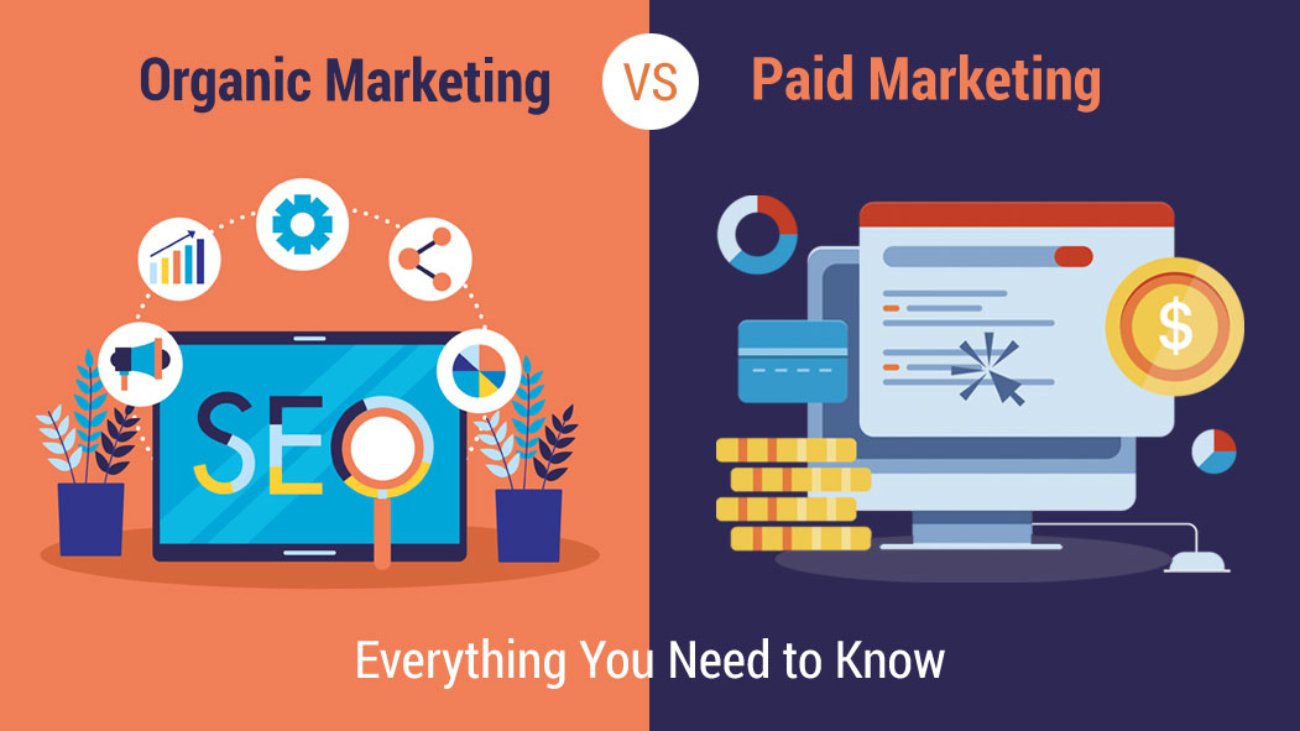
Paid Digital Marketing vs. Organic Digital Marketing

Discover the main differences between paid and organic digital marketing. Learn which strategy drives better traffic, leads, and ROI for your business. In the fast-changing world of digital marketing, businesses and students often hear two important terms — paid marketing and organic marketing.

Both play a crucial role in promoting brands, driving traffic, and increasing sales, but they work in very different ways.

If you’re planning to start a career in digital marketing or enroll in a digital marketing course at Pak College, understanding the difference between paid and organic marketing is essential.

Let’s explore what each means, their benefits, drawbacks, and which one is better for your marketing goals.


💰 1. What is Paid Digital Marketing?

  • Paid digital marketing refers to advertising methods where you pay platforms like Google, Facebook, or Instagram to display your ads to target audiences.
  • Common paid marketing channels include:
    • Google Ads (Pay-Per-Click)
    • Facebook and Instagram Ads
    • YouTube Video Ads
    • LinkedIn Sponsored Posts
    • Display and Retargeting Ads

Goal: Quickly reach your target audience and generate leads, traffic, or sales through paid promotion.


🔍 2. What is Organic Digital Marketing?

  • Organic marketing focuses on building traffic and engagement naturally, without paying for ads.
  • It includes activities such as:
    • Search Engine Optimization (SEO)
    • Social Media Content Creation
    • Blog Writing and Content Marketing
    • Email Marketing
    • Video and YouTube Content Creation

Goal: Build long-term audience trust and visibility through valuable, consistent content.


⚖️ 3. Main Difference Between Paid and Organic Marketing

FeaturePaid Digital Marketing 💰Organic Digital Marketing 🌱
CostRequires investment for adsFree or low-cost (requires time & effort)
ResultsInstant resultsTakes time to grow
LongevityShort-term visibilityLong-term benefits
TargetingSpecific audience targeting with demographicsBroader reach through engagement
ExampleGoogle Ads, Facebook AdsSEO, YouTube videos, Blogs
Best ForQuick sales, product launchesBrand building, long-term growth

4. Advantages of Paid Digital Marketing

Instant Visibility

  • Ads appear immediately on top of Google or social media feeds.
  • Perfect for new businesses or quick promotions.

Precise Targeting

  • You can target audiences based on age, location, gender, interests, or behavior.
  • Helps maximize your ad budget and reach potential buyers directly.

Easy Performance Tracking

  • Paid campaigns provide clear data on impressions, clicks, and conversions.
  • You can adjust your strategy in real time for better ROI.

Ideal for Product Launches

  • When launching a new service or event, paid ads generate quick attention and traffic.

🕐 5. Disadvantages of Paid Digital Marketing

Costly Over Time

  • You must keep paying to maintain visibility; once the budget stops, the traffic drops.

Competitive and Pricey

  • Popular keywords (like “best IELTS institute” or “buy online course”) can be expensive per click.

Requires Expertise

  • Running paid ads effectively needs professional training, which students can learn in the Pak College Digital Marketing course.

🌱 6. Advantages of Organic Digital Marketing

Long-Term Results

  • Once your website ranks high on Google, it can generate free, consistent traffic for years.

Builds Brand Trust

  • Organic content feels authentic and credible, increasing brand loyalty.

Cost-Effective

  • No direct payment for clicks — only your time and creative effort are needed.

Improves Overall Marketing Quality

  • Organic marketing improves SEO, social media presence, and customer relationships simultaneously.

🧩 7. Disadvantages of Organic Digital Marketing

Slow Results

  • SEO and content marketing can take 3–6 months to show noticeable outcomes.

Continuous Effort Required

  • You need to post, optimize, and engage regularly to maintain growth.

Algorithm Changes

  • Social media and search engines often update algorithms, which can affect visibility.

🚀 8. Which One is Better — Paid or Organic?

The best strategy depends on your goals:

  • If you want fast traffic or leads: Go for Paid Marketing.
  • If you want steady, long-term brand growth: Focus on Organic Marketing.
  • The ideal approach is to combine both:
    • Use paid ads for short-term boosts.
    • Use organic content for consistent long-term presence.

This combination creates a balanced digital marketing strategy, giving both visibility and trust.


🏫 9. Learn Both Strategies at Pak College

Pak College offers a Government-Certified Digital Marketing Course designed for students who want to master both paid and organic marketing techniques.

Course Highlights:

  • Learn Google Ads, Facebook Ads, and Instagram Marketing.
  • Master SEO, Social Media Management, and Content Marketing.
  • Practical training with real-world projects.
  • Government-approved certificate upon completion.
  • Job opportunities and freelance support after the course.

Ideal For:

  • Students who want to start a career in marketing or freelancing.
  • Business owners looking to grow their online presence.

📘 10. Real-Life Example

Scenario:

  • A small business in Karachi launches a new clothing brand.
    • They run Facebook Ads (Paid Marketing) to get quick traffic and sales.
    • At the same time, they publish SEO-friendly blogs and Instagram content (Organic Marketing) to build long-term visibility.
    • After 3 months, they get both instant sales and loyal followers — showing how paid and organic marketing work best together.

Frequently Asked Questions (FAQs)

Q1. What is the main difference between paid and organic marketing?

  • Paid marketing uses advertisements to get immediate results, while organic marketing focuses on natural growth through SEO and content.

Q2. Can small businesses use paid marketing?

  • Yes, small businesses can start with a small budget using Google or Facebook Ads to get quick visibility.

Q3. Which is cheaper — paid or organic marketing?

  • Organic marketing is cheaper in the long run, while paid marketing gives faster but temporary results.

Q4. Is it possible to do both together?

  • Absolutely! A smart digital strategy uses both paid and organic marketing for maximum impact.

Q5. Does Pak College teach both paid and organic marketing?

  • Yes, Pak College’s Digital Marketing Course covers SEO, Social Media, Google Ads, and more, with government certification and job opportunities.
Encryption in Data Protection

Importance of Firewalls and Encryption in Data Protection

Learn how firewalls and encryption safeguard sensitive data, prevent cyberattacks, and enhance network security for businesses and individuals. In today’s digital world, data is one of the most valuable assets for individuals, businesses, and organizations. From personal information to financial transactions, everything happens online — and with that comes the risk of cyber threats and data breaches.

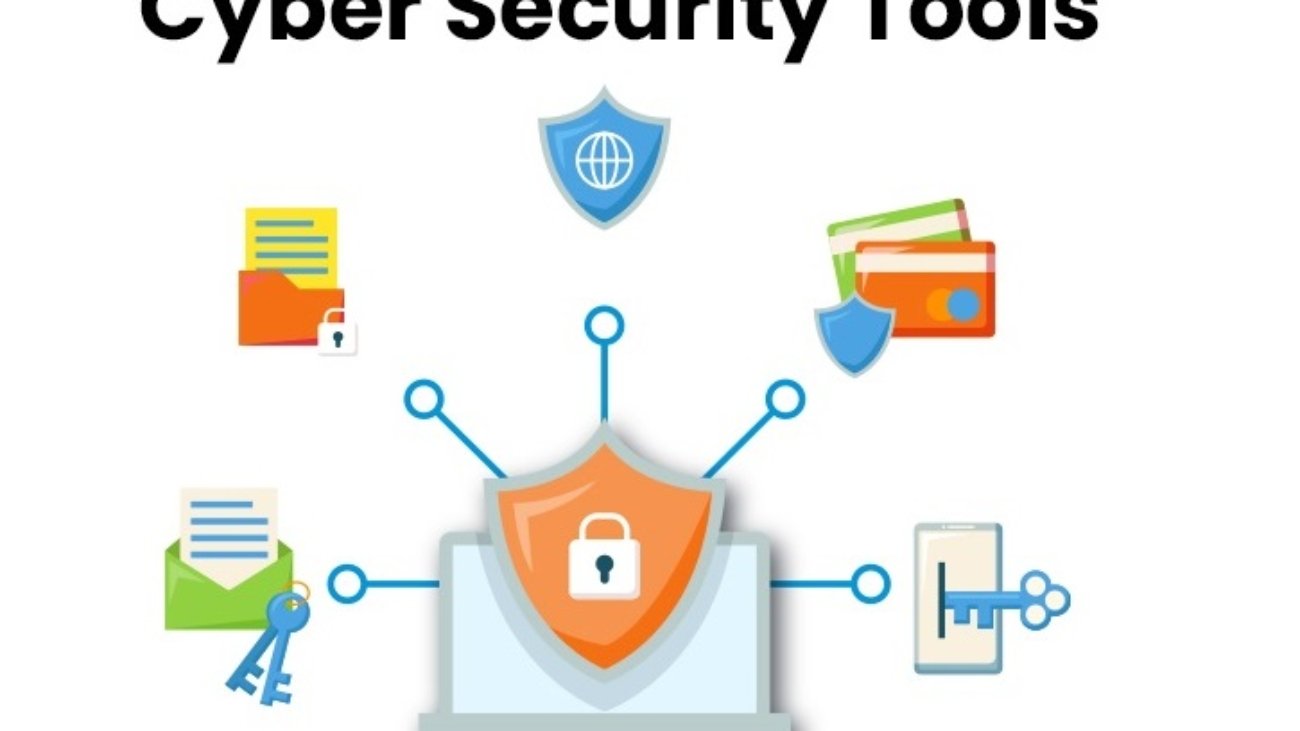
To keep sensitive information safe, two of the most powerful cybersecurity tools are firewalls and encryption. These technologies work together to block unauthorized access, protect privacy, and secure communication channels.

Let’s understand what firewalls and encryption are, why they are important, and how they play a vital role in data protection.


🔐 1. What is Data Protection?

  • Data protection means keeping personal and business information safe from theft, loss, or misuse.
  • It involves using different cybersecurity tools to protect:
    • Financial data
    • Personal details
    • Login credentials
    • Intellectual property
    • Communication records
  • The goal is to ensure privacy, integrity, and availability of data at all times.

🧱 2. What is a Firewall?

  • A firewall is like a security gate for your computer or network.
  • It monitors incoming and outgoing traffic and decides whether to allow or block certain data packets based on security rules.
  • Firewalls help protect your system from:
    • Hackers trying to access private data
    • Viruses and malware
    • Unauthorized software installations
    • Suspicious network activities

Types of Firewalls:

  • Network Firewalls: Protect entire networks from external threats.
  • Host-Based Firewalls: Installed on individual devices (like laptops or PCs).
  • Next-Generation Firewalls (NGFW): Offer advanced features like intrusion detection and application control.

🔑 3. What is Encryption?

  • Encryption is the process of converting readable data into a secret code that only authorized users can decode.
  • It ensures that even if hackers steal your data, they cannot read or misuse it without the encryption key.
  • Encryption is used in:
    • Online banking
    • Email communication
    • Cloud storage
    • E-commerce transactions
    • Password management systems

Types of Encryption:

  • Symmetric Encryption: The same key is used to lock and unlock data.
  • Asymmetric Encryption: Uses two keys — a public key for encryption and a private key for decryption.

⚙️ 4. How Firewalls and Encryption Work Together

  • Firewalls control who gets access to your data.
  • Encryption protects the data itself, even if someone bypasses the firewall.
  • Together, they create a multi-layered defense system that ensures both network and data security.

Example:

  • When you shop online, the firewall prevents hackers from accessing your device, while encryption ensures your credit card information is transmitted securely.

🧠 5. Importance of Firewalls in Data Protection

Prevents Unauthorized Access

  • Firewalls block harmful websites and restrict hackers from entering your system.

Monitors Network Traffic

  • It keeps track of all incoming and outgoing data to identify suspicious activity.

Protects Against Malware & Viruses

  • Firewalls act as a barrier against malicious software trying to infect your system.

Helps Maintain Data Privacy

  • Ensures that sensitive business or personal information stays within safe networks.

Essential for Business Security

  • Companies rely on firewalls to safeguard client data, financial reports, and communication systems.

🔒 6. Importance of Encryption in Data Protection

Protects Confidential Information

  • Encryption ensures only authorized users can access sensitive files and messages.

Secures Online Transactions

  • Every time you pay online or use digital banking, encryption protects your card details from hackers.

Maintains Data Integrity

  • Prevents cybercriminals from altering data during transmission or storage.

Builds User Trust

  • Websites with SSL (Secure Socket Layer) encryption show a lock symbol (🔒) in browsers, which increases customer trust.

Compliance with Laws

  • Many global and local laws (like GDPR) require businesses to encrypt personal data to ensure user privacy.

🧩 7. Real-World Example of Firewall and Encryption in Action

  • When you log in to your online banking account:
    • The firewall blocks any suspicious IP address from connecting to the bank server.
    • Encryption ensures that your username, password, and transaction details are secure.
  • Even if someone tries to intercept the data, all they’ll see is encrypted code, not readable information.

🌐 8. Common Cyber Threats Without Firewalls & Encryption

Without these protections, systems are exposed to:

  • Phishing attacks – Fake emails tricking users to share personal info.
  • Ransomware – Hackers encrypt your data and demand payment.
  • Man-in-the-Middle attacks – Cybercriminals intercept communication between users and websites.
  • Data breaches – Unauthorized access to sensitive business data.
  • Identity theft – Stolen personal information used for fraud.

These risks show why firewalls and encryption are not optional — they are essential in every digital setup.


🏫 9. Learn Cybersecurity and Data Protection at Pak College

Pak College offers a Government-Certified Cybersecurity Course that helps students master practical data protection techniques, including firewalls, encryption, and network security.

Course Highlights:

  • Learn how to set up and manage firewalls for home and enterprise systems.
  • Understand encryption algorithms and how to implement them in real-life situations.
  • Get hands-on experience with cyber defense tools and simulations.
  • Learn to detect, prevent, and respond to cyber threats.
  • Receive a government-recognized certification upon completion.
  • Job placement assistance and freelance project support included.

Ideal for:

  • Students interested in cybersecurity careers.
  • IT professionals upgrading their skills.
  • Anyone who wants to protect personal or business data from cyber threats.

📘 10. Key Takeaways

  • Firewalls control and monitor digital traffic.
  • Encryption secures and hides sensitive information.
  • Both are vital pillars of modern cybersecurity.
  • Without them, your personal, financial, and business data are at serious risk.
  • Learning how to use these tools effectively can help you build a successful career in cybersecurity.

Frequently Asked Questions (FAQs)

Q1. What is the main difference between a firewall and encryption?

  • Firewalls prevent unauthorized access, while encryption protects the data itself from being read or stolen.

Q2. Can firewalls stop hackers completely?

  • Firewalls greatly reduce risks, but they work best when combined with encryption and other security tools.

Q3. Why is encryption important for personal users?

  • It keeps your emails, passwords, and online transactions secure from hackers.

Q4. Do small businesses need firewalls?

  • Yes, every business — big or small — needs firewalls to prevent data loss and cyber
  • attacks.

Q5. Does Pak College offer training in cybersecurity tools like firewalls and encryption? Yes, Pak College’s Government-Certified Cybersecurity Course includes hands-on training in firewall configuration, encryption methods, and advanced security practices.

7 Benefits of CIT Course at Pak College | Boost Your Skills

Discover 7 powerful benefits of CIT computer course at Pak College. Learn essential IT skills, boost your career, and stay ahead in the digital age. In today’s digital world, having strong computer skills is no longer optional — it’s essential. One of the most popular and career-oriented programs for students and professionals is the CIT (Certificate in Information Technology) course. At Pak College, this course is designed to give learners practical IT knowledge along with a government-certified certificate that adds real value to their careers.

Here are the 7 key benefits of doing the CIT computer course from Pak College:


🔹 1. Comprehensive IT Knowledge

  • The CIT course at Pak College covers fundamental to advanced IT skills, including:
    • Computer basics
    • MS Office (Word, Excel, PowerPoint)
    • Internet and email usage
    • Basic programming and database management
  • This makes it an ideal choice for students, job seekers, and professionals who want to strengthen their IT foundation.

🔹 2. Government-Certified Certificate

  • One of the biggest advantages of choosing Pak College is that students receive a government-recognized certification after completing the CIT course.
  • This certification is widely accepted in both private and public sectors, making your skills more credible.
  • It enhances your chances of employment locally as well as abroad.

🔹 3. Job Opportunities After Completion

  • CIT graduates from Pak College get access to various job opportunities, such as:
    • IT Assistant
    • Office Administrator
    • Computer Operator
    • Data Entry Specialist
    • Junior Web Designer
  • Many companies in Pakistan prefer CIT-certified candidates because they are trained in practical IT skills.
  • Pak College also provides career guidance and support to help students enter the job market with confidence.

🔹 4. Affordable and Career-Oriented Course

  • Compared to other professional programs, the CIT course is cost-effective while still providing valuable IT skills.
  • It is one of the most affordable ways to gain a government-recognized certificate.
  • The course is short-term but highly effective, making it ideal for students who want quick career growth.

🔹 5. Strong Foundation for Advanced IT Courses

  • Completing CIT from Pak College prepares students for more advanced IT programs like:
    • Web Development
    • Graphic Designing
    • Software Engineering
    • Networking and Cybersecurity
  • With a strong CIT base, students find it easier to learn specialized IT fields in the future.

🔹 6. Enhances Freelancing and Remote Work Skills

  • In today’s world, freelancing is a great way to earn money online.
  • The CIT course provides skills in MS Office, data entry, internet usage, and basic IT knowledge that are in high demand on platforms like Fiverr and Upwork.
  • Many students at Pak College start freelancing projects soon after completing their course.

🔹 7. Boosts Confidence in the Digital World

  • Whether it’s applying for a job, starting a business, or working on personal projects, strong IT skills give you confidence.
  • With Pak College’s practical training environment, students learn to use computers efficiently in real-life scenarios.
  • This makes them more productive and competitive in today’s digital economy.

🔹 Why Choose Pak College for CIT?

  • Government-certified certificate recognized nationwide.
  • Practical training environment with experienced instructors.
  • Job-oriented course designed for both beginners and professionals.
  • Affordable fee structure for students across Pakistan.
  • Career support and job opportunities after completion.

🔹 FAQs About CIT Course at Pak College

Q1: What is the duration of the CIT course at Pak College?

  • The CIT course is usually 3 to 6 months long, depending on the program structure.

Q2: Is the certificate recognized by employers?

  • Yes, Pak College provides a government-certified certificate that is highly valued in the job market.

Q3: Can I get a job right after completing CIT?

  • Yes, you can apply for roles such as Computer Operator, Data Entry Specialist, and IT Support Assistant immediately after completion.

Q4: Does CIT help with freelancing?

  • Absolutely. Many CIT skills like MS Office, data handling, and internet usage are in high demand on freelancing platforms.

🔹 Conclusion

The CIT computer course from Pak College is more than just a short-term program — it’s an investment in your future. With government-certified recognition, job opportunities, and a practical training approach, Pak College ensures that every student is well-prepared for today’s digital challenges.

If you want to enhance your IT skills, improve your career opportunities, and gain a certificate that truly matters, then the CIT course from Pak College is the perfect choice for you.